Curious about waterfront homes in Lusby? You are not alone. For many buyers, the idea of living near the Patuxent River, a creek, a lake, or the Chesapeake Bay side of Calvert County is exciting, but waterfront real estate also comes with important details that are easy to miss at first glance. If you are thinking about buying in this area, this guide will help you understand what to look for, what questions to ask, and how to evaluate the tradeoffs with confidence. Let’s dive in.
Why Lusby Waterfront Homes Stand Out
Lusby sits in southern Calvert County along Maryland Route 2/4, between Calvert Cliffs State Park and Solomons Island. According to Calvert County planning materials, many local waterfront communities were developed before modern health, safety, and environmental regulations, and future development in these areas is limited.
That matters because waterfront living in Lusby is not one-size-fits-all. You may find direct waterfront homes, homes in water-access communities, or properties near the water that do not include private access. In this part of Calvert County, the setting can vary from bay and river frontage to creek and lake-adjacent living.
What Types of Waterfront Homes You May Find
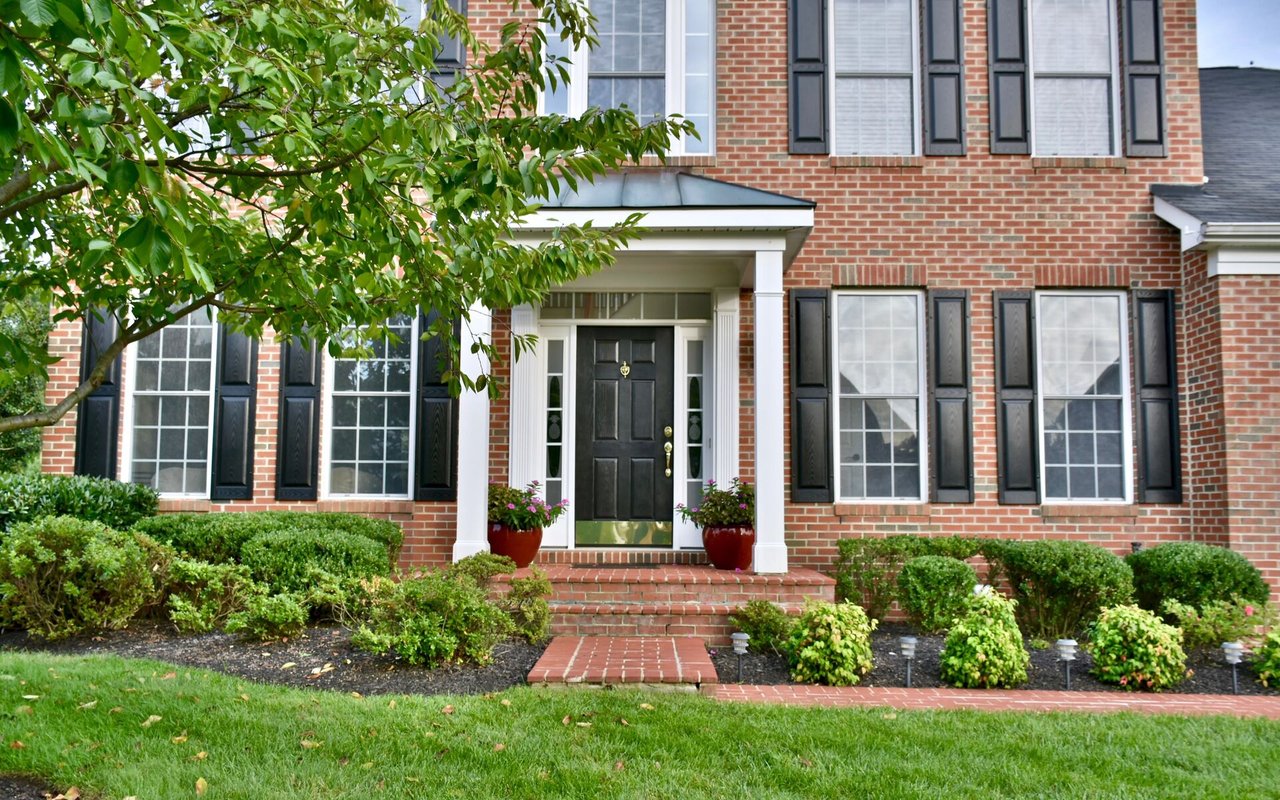
Recent Lusby-area listings show a wide range of home styles, including colonials, cottage-style homes, brick ramblers, custom waterfront homes, and Colonial or Craftsman properties. Features can include decks, wraparound porches, fireplaces, elevators, and wide water views, based on recent listing examples.
This variety is good news if you want options, but it also means you should avoid assumptions. Two homes with similar prices may offer very different layouts, lot conditions, water access rights, and maintenance needs.
Direct waterfront is not the only setup
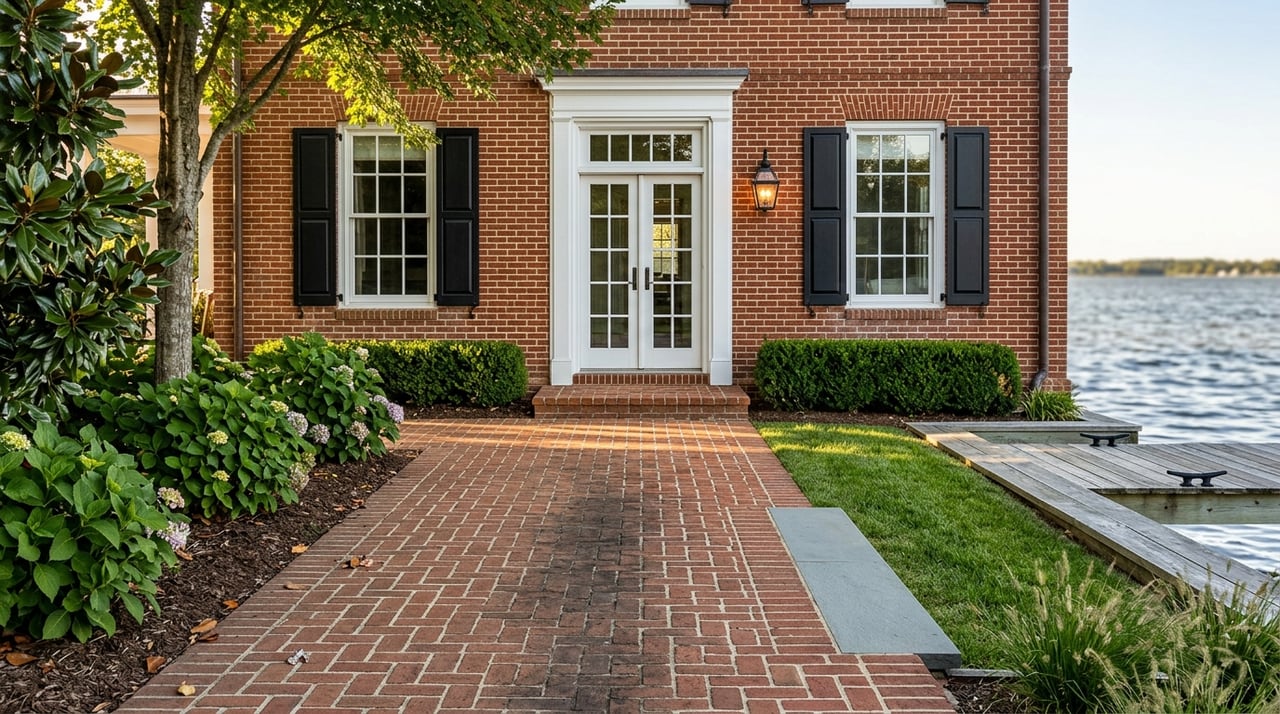
Some Lusby homes sit directly on the water, while others are located in communities with shared beach or pier rights. You may also see homes marketed as being in a water-oriented neighborhood without having any deeded or guaranteed access.
That is why the access arrangement deserves as much attention as the house itself. Before you fall in love with a view, confirm exactly what rights come with the property.
Pier rules can affect your options
Under Calvert County zoning rules, one private pier may be allowed as an accessory to a single-family waterfront dwelling in many cases. However, in some subdivisions, a community pier replaces individual private piers in order to reduce the number of structures along the shoreline.
If boating or fishing is part of your plan, this distinction matters. A private pier, a shared pier, deeded access, and nearby public launch access can create very different day-to-day experiences.
Flood Risk Should Be Part of Your Search
Waterfront living often brings a higher level of flood-related due diligence, and Lusby buyers should take that seriously. Calvert County participates in FEMA’s Community Rating System, which gives residents with structures in the 100-year floodplain a 10% discount on flood insurance premiums when policies are initiated or renewed.
That said, flood insurance still takes planning. The county notes that development in Special Flood Hazard Areas requires permits, and there is typically a 30-day waiting period before flood insurance takes effect.
Nearby conditions offer useful context
Calvert County’s 2025 high-tide flood mitigation plan notes that nearby Solomons Island includes flood-vulnerable structures and faces coastal erosion, high water tables, low elevations, and stormwater challenges. For buyers looking at low-lying or tidal waterfront property in Lusby, that is helpful context.
You do not need to rule out a home just because it is near the water. You do need to understand the flood zone, elevation, insurance implications, and any history of mitigation work before moving forward.
Erosion and Shoreline Work Matter More Than Many Buyers Expect
In this part of Maryland, the shoreline itself can be an ongoing maintenance issue. Calvert County’s shoreline and cliff erosion guidance applies to the Chesapeake Bay, the Patuxent River, and local tributaries.
The state also has a strong preference for living shorelines where feasible. Maryland DNR explains that living shorelines are the preferred erosion-control method, and shoreline work below the average high tide line generally requires a permit from the Maryland Department of the Environment.
Shoreline protection affects cost and future plans
If a property already has riprap, a bulkhead, a living shoreline, or no protection at all, each scenario raises different questions. You will want to know whether the work was permitted, whether repairs may be needed, and whether future changes would require county or state approvals.
Cost is part of the picture too. Maryland DNR says living shoreline projects can range from about $100 to more than $1,000 per linear foot depending on site conditions, so shoreline maintenance is not a small side note in your budget.
Utility Systems Deserve Close Review
Many homes in Calvert County rely on private systems rather than public infrastructure. County guidance says that the majority of residents are served by private water systems, individual wells, and traditional septic systems, according to Calvert County utility and permitting information.
For waterfront buyers, this is a practical issue, not just a technical one. The type of utility service can affect inspections, financing, future repairs, and how confidently you can budget for ownership.
Ask for records early
If a home uses well and septic, ask about the system age, maintenance records, inspection history, and any known replacement timeline. The county also notes that septic-related work may require soil percolation testing and health department review.
A great view can be a major plus, but you still want a clear understanding of what is happening underground and behind the walls. In many waterfront purchases, utility details are just as important as the finishes you can see.
The Lifestyle Side of Lusby Waterfront Living
One reason buyers are drawn to Lusby is that waterfront living here is about more than the property itself. You also have access to boating, parks, beaches, trails, and maritime attractions nearby.
For boating, the Solomons Boat Ramp and Fishing Pier is the closest county-operated launch hub. It is open 24 hours daily year-round and includes launch access, a fishing and crabbing pier, a bait and tackle shop, and seasonal comfort stations. The county also notes that Solomons and Lusby include marinas and boat yards with services such as slips, fuel, pump-outs, dry storage, and repair facilities.
Outdoor access adds to the appeal
The surrounding area also offers strong public recreation options. The Solomons Master Plan describes Solomons Waterfront Park as including river views, walkways, seating, play areas, a pavilion, and the Waterman’s Memorial, while the Calvert Marine Museum offers maritime exhibits and lighthouse access.
If you enjoy natural spaces, Southern Calvert attractions include Cove Point Lighthouse, Flag Ponds Nature Park, and Calvert Cliffs State Park. These nearby destinations offer trails, beach access, observation areas, and fossil-hunting opportunities that make day-to-day life feel connected to the landscape.
Questions To Ask Before You Buy
A waterfront home can be a fantastic fit, but careful due diligence matters. Here are some of the most important questions to ask early in the process:
- Is the property direct waterfront, deeded water access, community-pier access, or simply near water?
- If the home is in a subdivision, are private piers allowed, or does a community pier replace them?
- Is the property in a Special Flood Hazard Area or within the Chesapeake Bay Critical Area?
- Can the seller provide the flood zone, elevation certificate, past flood claims, or records of flood-mitigation work?
- What kind of shoreline protection is in place now, such as living shoreline, riprap, bulkhead, or none?
- Was shoreline work properly permitted, and what approvals might future repairs require?
- Does the home use public water and sewer, well and septic, or a combination?
- If it uses private systems, what are the age, condition, maintenance history, and expected replacement costs?
- If boating is important to you, how close is the property to ramps, marinas, pump-out services, fuel, and repair yards?
- If you plan to spend time at public beaches, are there any current seasonal advisories? Calvert County notes that public bathing beaches are sampled during the Memorial Day to Labor Day season, including information tied to Flag Ponds Nature Park.
How To Approach a Lusby Waterfront Purchase
The smartest way to shop for waterfront property in Lusby is to balance the emotional appeal with a clear review of the details. The scenery, boating access, and outdoor lifestyle are real advantages, but so are the responsibilities that can come with flood zones, shoreline conditions, and private utility systems.
If you stay focused on access rights, permits, insurance, erosion, and infrastructure from the start, you will make better decisions and avoid surprises later. That kind of preparation can make the buying process feel much more manageable.
Whether you are searching for a direct waterfront home, a water-access neighborhood, or a property near Solomons and the Patuxent River, local guidance can make a big difference. If you want help sorting through Lusby options and asking the right questions before you buy, connect with Amber Verdadero for a free consultation.
FAQs
What should buyers know about waterfront access in Lusby homes?
- Buyers should confirm whether a property is direct waterfront, includes deeded access, offers community-pier rights, or is only located near the water, because access terms can vary widely from one home to another.
What should buyers know about flood risk for waterfront homes in Lusby?
- Buyers should check whether the home is in a Special Flood Hazard Area, review flood zone information and any elevation certificate, and plan ahead for possible insurance needs and waiting periods.
What should buyers know about shoreline erosion for waterfront property in Lusby?
- Buyers should ask what type of shoreline protection exists, whether prior work was permitted, and what future maintenance or approvals may be required, especially along tidal or erosion-prone shorelines.
What should buyers know about wells and septic systems in Lusby waterfront homes?
- Buyers should verify whether the home uses private well and septic systems, request maintenance and inspection records, and understand possible future repair or replacement costs.
What should buyers know about boating and recreation near Lusby waterfront homes?
- Buyers can benefit from nearby amenities such as the Solomons Boat Ramp, local marinas, waterfront parks, beaches, trails, and nature areas, which add to the day-to-day appeal of living in southern Calvert County.