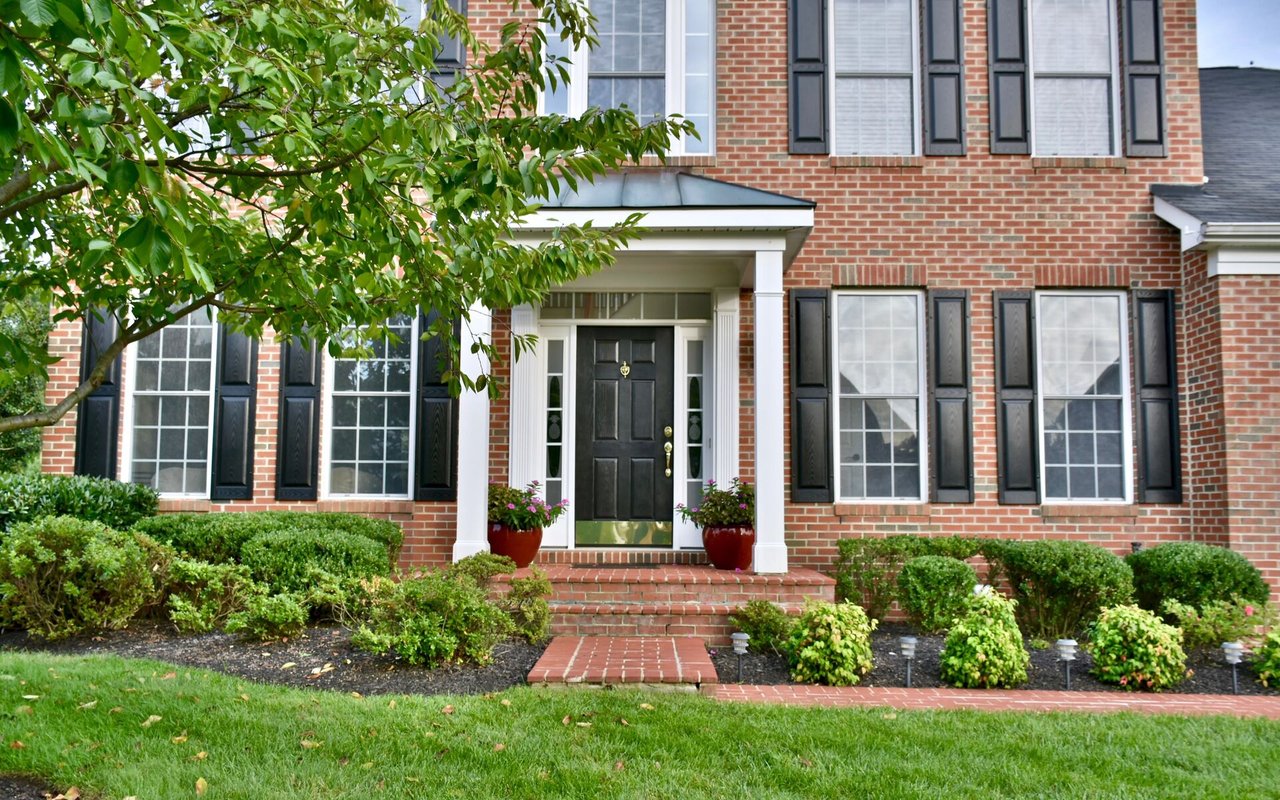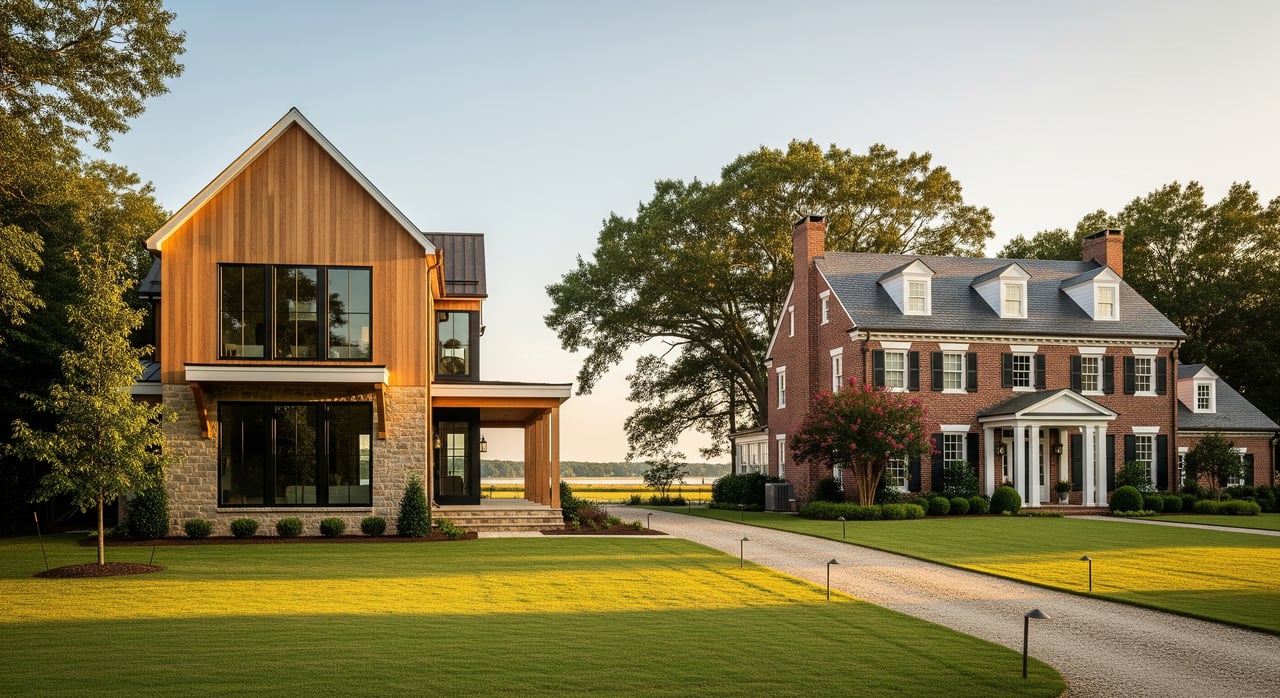
Trying to decide between a brand-new build and an existing home in Mechanicsville? You’re not alone. With rural lots, well and septic considerations, and a mix of buyers connected to the Patuxent River Naval Air Station, the right path depends on your timing, budget, and tolerance for construction details. This guide breaks down costs, timelines, inspections, warranties, and the practical trade-offs so you can move forward with confidence. Let’s dive in.
What “new vs. resale” means locally
Mechanicsville sits in rural and suburban St. Mary’s County. Outside town centers, many homes use private wells and septic systems. Municipal water and sewer are available in limited areas, so site conditions and permits often shape what’s possible on a lot.
Buyer demand reflects the nearby naval air station and regional commuting patterns. You’ll find a mix of new subdivisions and infill resale inventory, but availability can shift with market conditions. Your best fit will hinge on what matters most to you: speed, customization, or total cost of ownership.
Total cost: beyond sticker price
Purchase price and premiums
- New construction typically sells at a premium per square foot compared with comparable resale. Premiums vary by builder, lot quality, and the market.
- Resale pricing tends to be more negotiable. Condition, inventory levels, and seller motivation can create room to negotiate.
Site and utility costs in Mechanicsville
- For a new build on an undeveloped lot, you may need septic design and installation plus well drilling. Costs vary widely by soil, system type, and permitting.
- Utility connections, tap fees, grading, stormwater controls, and driveways can add to the total for new construction.
- For resale with an existing well and septic, inspections are essential. Repairs or replacement can be costly if systems are failing.
Immediate post-purchase expenses
- New construction upgrades and change orders can add 5 to 20 percent or more to a base price, depending on finishes and customization.
- Landscaping, window coverings, fencing, and final driveway work are often not included in a builder’s base package.
- Resale buyers commonly budget for cosmetic updates and repairs after inspection. Smaller fixes might be modest, but major system replacements or renovations can be significant.
Financing and closing costs
- New construction often involves a construction loan that converts to a permanent mortgage or requires refinancing. These loans usually require larger down payments and more documentation.
- Builders sometimes offer incentives such as closing-cost help or rate buydowns when you use a preferred lender.
- Resale purchases typically use conventional, FHA, or VA financing. VA is common in this area and has specific habitability standards that may require repairs before closing.
- Closing costs for any purchase usually run a few percent of the price. Builders may credit some costs as part of incentives.
Operating costs and energy
- New homes generally have modern systems, tighter insulation, and efficient equipment that can reduce utility bills compared with older homes.
- Resale properties may cost more to operate until systems are upgraded or replaced.
Timelines and process
New construction timeline
- Preliminary steps such as lot purchase, design selections, and financing setup often take several weeks to a few months.
- Permitting and site prep usually take 1 to 3 months. Septic and well approvals can extend this timeline.
- Construction for a production home on a prepared lot commonly runs 4 to 8 months. Custom homes often take 6 to 12 months or more.
- After construction, allow several weeks for final inspections, a certificate of occupancy, and lender closing steps.
- Delays can occur due to weather, subcontractor availability, materials, permit backlogs, or change orders.
Resale timeline
- From accepted offer to closing, resale transactions often wrap in 30 to 60 days, depending on financing, inspections, appraisal, and title work.
- Timelines can be faster with cash or strong pre-approval and a cooperative seller.
Financing timelines and occupancy
- Construction loans include multiple draw inspections and staged approvals, which can slow the process.
- VA and FHA loans for resale follow standard underwriting timelines. VA appraisals can add time if required repairs are needed.
What timeline fits your move
- If you need to move within a few months, resale is typically the safer path.
- If you want to customize and have flexibility on move-in, new construction can be a great fit.
Inspections, warranties, and risk
Resale inspections to expect
- Standard home inspection covering structure, roof, HVAC, plumbing, electrical, and foundation.
- Specialized checks are common in rural St. Mary’s County: septic inspection and pumping report, well water testing, radon testing, pest/termite, chimney, and mold where appropriate.
- Inspection results often lead to negotiated repairs or credits.
New build inspections to schedule
- County code inspections occur at milestones such as footing, foundation, framing, mechanical rough-ins, insulation, and final. These confirm code compliance.
- Independent third-party inspections are recommended, especially at pre-drywall and final walkthrough. These catch workmanship issues before closing.
- Post-occupancy warranty walk-throughs help document punch-list items.
Common local issues to watch
- Resale properties may show septic failures or older systems, well water quality concerns, aging roofs, deferred maintenance, moisture issues in basements, outdated electrical, or lead-based paint in pre-1978 homes.
- New builds can face grading and drainage problems after final grade, improper flashing or installation details, incomplete punch lists, and mechanicals that need adjustment.
Warranties and how they work
- Many new homes follow a common structure: one year for workmanship and materials, two years for mechanical systems, and ten years for major structural defects.
- Warranty details vary by builder. Make sure you have the terms, claim process, and exclusions in writing.
- For resale, you can purchase a one-year home warranty service contract to help with appliances and systems after closing.
Contracts and protections
- For new construction, review your contract for allowances, change order terms, timelines, delay provisions, and dispute resolution. Verify the builder’s licensing and local reputation.
- For resale, lean on inspection contingencies, repair agreements, and escrow holdbacks where needed.
- Independent legal review can be helpful for either path.
Decision framework: which path fits you?
Key questions to ask
- What is your move-in timeline? Can you wait 6 to 12 months or do you need to move sooner?
- Is a specific lot or neighborhood your top priority?
- How much customization do you want beyond cosmetic finishes?
- Do you have budget room for upgrades or change orders?
- Are you comfortable with construction loan logistics if you go new?
- Are you using VA or FHA financing with condition standards to meet?
Pros and cons at a glance
- New construction pros:
- Modern systems, energy efficiency, and few immediate repairs.
- Warranty coverage in early years.
- Ability to customize finishes and sometimes layout.
- Potential builder incentives for financing or closing costs.
- New construction cons:
- Longer timeline and risk of delays.
- Higher base price and upgrade costs.
- Added site costs for well, septic, and grading.
- Quality varies by builder, so oversight matters.
- Resale pros:
- Faster move-in and often lower cost per square foot.
- Established landscaping and community context.
- Negotiation leverage on price or repair credits in some markets.
- Resale cons:
- Near-term repairs or replacements more likely.
- Older systems and possible lender-required updates.
- Limited customization without renovation costs.
Step-by-step checklists
If you choose new construction
- Verify the builder’s credentials and ask to tour completed homes.
- Get the full warranty terms and claim process in writing.
- Clarify exactly what the base price includes, such as appliances, landscaping, and driveway.
- Budget a 5 to 15 percent contingency for upgrades and change orders.
- Confirm well and septic approvals and expected costs for your lot.
- Schedule independent inspections at pre-drywall and final stages.
- Decide on your financing path, including construction-to-permanent options.
If you choose resale
- Order a thorough home inspection plus septic, well water, and radon tests as appropriate.
- Get written estimates for any major repairs before negotiating or waiving contingencies.
- Consider a one-year home warranty for appliances and systems.
- Review past maintenance records, utility bills, and any neighborhood covenants.
- If using a VA loan, plan for possible repair requests to meet property standards.
Local notes for Mechanicsville buyers
- Permits, well and septic approvals, and inspections are handled at the county and state levels. The St. Mary’s County Department of Land Use & Growth Management and the Maryland Department of the Environment provide guidance on requirements.
- Some lots need perk testing for septic and may require well drilling plans in advance. These steps can affect both your budget and your timeline.
- If you plan to build, contact the appropriate county offices early to understand site feasibility, sequencing, and expected timelines.
Ready to compare options?
Whether you want the control of a new build or the speed and value of a resale, you deserve clear local guidance on wells, septic, permits, and financing. If you’re weighing neighborhoods, timelines, or builder options in Mechanicsville, a local advocate can help you align your budget and move date with the right path. For a personalized plan, connect with Amber Verdadero to review your options and next steps.
FAQs
How long does it take to build a home in Mechanicsville?
- Production builds often take 4 to 8 months after groundbreaking, while custom homes can run 6 to 12 months or more, plus time for permitting and site prep.
What inspections are needed for well and septic in St. Mary’s County?
- For resale, plan on septic inspection and pumping documentation and a well water test. For new builds, secure septic design approval and well permits before construction.
Are VA loans better for resale than new construction in Mechanicsville?
- VA loans work for both, but resale timelines usually align with standard VA underwriting. VA appraisals can require repairs that add time, so plan accordingly.
What builder warranties are typical in Maryland new homes?
- Many builders offer one year on workmanship and materials, two years on systems, and ten years on major structural defects. Always confirm the specific terms in writing.
Is new construction more energy efficient than resale in Mechanicsville?
- New homes typically include modern HVAC, better insulation, and efficient equipment, which can lower utility costs compared with older homes until systems are upgraded.