If you are trying to figure out where to live in Prince Frederick, the biggest question is not just price. It is what kind of daily feel you want. Some parts of town offer older character and shorter blocks, while others lean toward 1990s detached homes or newer townhome-style living. This guide will help you understand the main residential pockets, the home styles you are most likely to see, and how to match them to your needs. Let’s dive in.
Prince Frederick at a glance
Prince Frederick serves as Calvert County’s civic and commercial center, which gives it a different feel than a purely residential town. According to the county’s 2026 draft town-center plan, the town center covers 1,729 acres and includes 1,723 housing units. Most of those homes are single-family, with a smaller share of townhouses and apartments.
That mix helps explain why Prince Frederick can work for a wide range of buyers. The county reports a 46% homeownership rate, a median housing value of $383,000, and a median monthly mortgage of $2,295. The same report noted early 2025 rent listings ranging roughly from $900 to $3,400, which shows there are also rental and more compact housing options in the market.
Prince Frederick also has a mixed age profile rather than one narrow lifestyle lane. The county’s draft plan shows 30% of residents are under 25, 26% are ages 25 to 44, 21% are ages 45 to 64, and 23% are 65 or older. In practical terms, that supports a housing mix that includes family-sized homes, townhomes, apartments, and options for downsizing.
Prince Frederick neighborhood types
When you look at Prince Frederick as a buyer, it helps to think in terms of three broad experiences. You will generally find a compact historic core, established suburban-style subdivisions, and larger-lot areas around the edges. There are also newer town-center pockets that add more attached and compact housing choices.
Historic core homes
The courthouse and Main Street area is the oldest-feeling part of Prince Frederick. County planning describes the Old Town District as a walkable, tightly clustered area centered on the civic and government complex, with businesses, shops, restaurants, townhouses, assisted living, and closely grouped single-family homes around Main Street.
If you like a small-town setting with shorter blocks and more traditional street patterns, this area is the clearest match. The county says this district emphasizes alley access, on-street parking, and tightly clustered homes. That layout creates a more connected, main-street feel than you will find in newer subdivision sections.
Historic resources reinforce that sense of place. Church Street includes Linden, a mid-19th-century farmhouse that was remodeled into Greek Revival style in 1911. The current courthouse’s original section dates to 1916, and Armory Road has followed nearly the same alignment since at least 1865.
You may also notice that some historic properties sit on larger lots and are set back from the street. That gives parts of Prince Frederick a more spacious feel than buyers sometimes expect from a town-center setting. If you want older character, established surroundings, and a location close to civic and commercial services, this area is worth a close look.
Southwest subdivision homes
Southwest of the historic core, the housing pattern shifts toward late-20th-century subdivisions. This is where communities such as Calvert Towne and Symphony Woods help define the residential feel. County records place Symphony Woods, Calvert Towne, Prince Frederick Towne, and Star Landing in the same residential pocket around Main Street.
For buyers who want a more familiar suburban detached-home setup, this is one of the clearest places to focus. A county Board of Appeals order says Symphony Woods Plat Three was recorded in 1992, and a sample home there was built in 1994 on a landscaped lot with private well and septic. That points to a 1990s-era detached-home pattern rather than a historic core layout.
These neighborhoods can appeal to buyers who want a bit more separation between homes and a more subdivision-based street plan. The county’s Traditional Suburban District is intended for relatively low-density single-family, townhouse, and assisted-living development, and it discourages cul-de-sacs in favor of connected streets. That helps explain why some Prince Frederick neighborhoods feel suburban without being overly isolated.
Newer town-center housing
If you want something more compact or newer in the town center, there are several housing pockets that stand out. County planning identifies communities such as Calvert Hills Apartments, Beechtree Apartments, and Prince Frederick Crossing as nearby residential options.
Since 2019, the town center has added or queued 935 units across apartments, townhomes, duplexes, and memory-care beds. The list includes Beechtree Apartments, Calvert Hills I and II, Patuxent Commons, Prince Crossing IV, Armory Towns, and multiple Magnolia Ridge phases. This is where the newer product mix is most visible.
Most recent and proposed developments fall below 14 units per acre. In everyday terms, that usually means a more compact setting than older detached-home sections, with a stronger chance of townhome or apartment-style living. If low exterior maintenance or a newer-build feel is high on your list, these areas may deserve extra attention.
Edge and larger-lot areas
As you move outside the sewer-served core, the lot pattern gets roomier. County planners say parcels in Tier III areas, including places like German Chapel Road and parcels north and east of Prince Frederick, are not planned for sewerage service and would need minimum lot areas of 30,000 square feet under the draft update.
That is roughly two-thirds of an acre, which creates a noticeably different feel from the more compact town-center sections. The county also notes that roads such as Dares Beach Road, Hallowing Point Road, Stoakley Road, Barstow Road, and Double Oak Road connect the town to surrounding open space. If you want a more spacious or rural-feeling setting while staying connected to Prince Frederick, these edge areas may be the right fit.
Outside town centers, draft minimum lot sizes are typically 1 acre in Farm and Forest or Rural Community districts and 30,000 square feet in Rural Neighborhood or Residential districts unless sewer is available. That is useful to know if lot size, privacy, or utility setup matters to your home search. It can shape both the look of the property and the long-term maintenance expectations.
What home styles feel like here
Prince Frederick is less about one signature architectural style and more about a mix of housing eras and layouts. The style you see often depends on which part of town you choose. That is why buyers can have very different impressions of Prince Frederick depending on where they start looking.
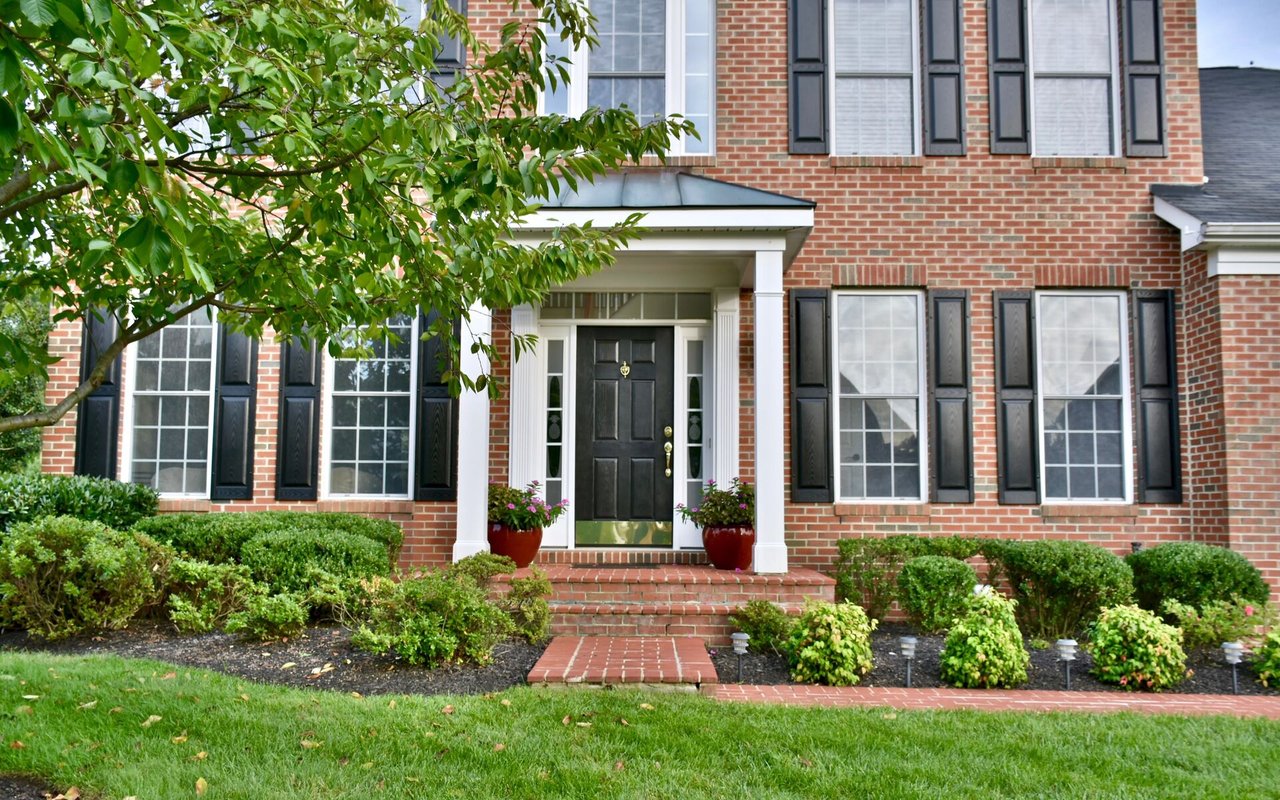
In the historic core, you are more likely to notice older homes, traditional street grids, and properties with civic or historic context nearby. In the southwest subdivision belt, the defining feature is often the 1990s detached-home pattern on landscaped lots. In newer town-center pockets, the feel shifts toward townhomes, apartments, and other compact housing forms.
For many buyers, the better question is not “What is the typical Prince Frederick house?” but “Which Prince Frederick setting feels right for me?” That approach usually leads to a more focused and less stressful search.
Daily convenience in Prince Frederick
One reason Prince Frederick stays popular is that it is service-rich for a county-seat community. County facilities in or near the town center include Calvert Library Prince Frederick at Market Square Shopping Center, Calvert Pines Senior Center, the Calvert County Health Department, the sheriff’s office, public safety services, and the Edward T. Hall Aquatic Center.
For shopping and errands, the main convenience nodes include Prince Frederick Shopping Center, Calvert Village Shopping Center, Market Square Shopping Center, and Fox Run Shopping Center. County tourism also highlights places such as King Memorial Park, Hallowing Point Park, Gatewood Preserve, American Chestnut Land Trust trails, Flagship Cinemas at Calvert Village, and the seasonal farmers market at CalvertHealth.
This matters because neighborhood feel is not just about the home itself. It is also about how easily you can reach everyday services, recreation, and shopping. In Prince Frederick, many buyers appreciate having those resources close by.
Commute patterns to know
If you work outside town, commute patterns are an important part of choosing the right area. The county’s draft plan says more than 89% of Prince Frederick residents commute to work, 78% drive alone in personal vehicles, fewer than 3% use public transit, and the average commute is 46.5 minutes.
MD 2/4 carries about 38,000 to 42,000 weekday trips through town, so traffic flow can be a real factor in your day-to-day routine. The current Maryland MTA schedule lists Route 840 from St. Leonard and Prince Frederick to DC and Route 850 from Prince Frederick and Dunkirk to Suitland and DC. County transportation pages also say local bus routes connect residents with shopping, medical, employment, and public-service destinations in Prince Frederick.
For some buyers, that means a home closer to daily services matters more than having the largest possible lot. For others, a larger-lot setting outside the core is worth the tradeoff. The right answer depends on how you want your weekdays to work.
How to choose the right Prince Frederick area
If you are narrowing down your search, it helps to match your priorities to the part of town that best supports them. Prince Frederick offers more range than many buyers expect, which is good news if you know what to look for.
Here is a simple way to think about it:
- Choose the historic core if you want older character, a more walkable small-town setting, and closely grouped homes near civic and commercial uses.
- Choose the southwest subdivision belt if you want detached 1990s-era homes on landscaped lots with a more established suburban feel.
- Choose newer town-center pockets if you prefer townhomes, apartments, or a more compact and newer housing setup.
- Choose edge areas if lot size, a more spacious setting, or a more rural feel is a top priority.
The best home is not just the right square footage or price point. It is the one that fits how you want to live, commute, and spend your time in Prince Frederick.
If you want help sorting through Prince Frederick neighborhoods, comparing home styles, or understanding which areas best fit your budget and goals, Amber Verdadero can help you make a confident move with local insight and responsive guidance.
FAQs
What kinds of homes are most common in Prince Frederick?
- Most housing units in Prince Frederick are single-family homes, with a smaller share of townhouses and apartments according to the county’s draft town-center plan.
Where can you find older homes in Prince Frederick?
- The Main Street, Church Street, and Armory Road area is the best place to look for older character, historic context, and a tighter small-town street pattern.
Which Prince Frederick neighborhoods have 1990s detached homes?
- The southwest subdivision pocket, including areas like Calvert Towne and Symphony Woods, is the clearest fit for 1990s-era detached homes on landscaped lots.
Where are newer townhomes and apartments in Prince Frederick?
- Newer and more compact housing is concentrated in town-center pockets and west-side growth corridors, including communities identified by the county such as Beechtree Apartments, Calvert Hills, and Prince Frederick Crossing.
Do lot sizes get bigger outside Prince Frederick’s core?
- Yes. Outside the sewer-served core, parcels can be much larger, including minimum lot areas of 30,000 square feet in some Tier III areas under the county’s draft update.
Is Prince Frederick convenient for commuting and errands?
- Yes. Prince Frederick has major shopping centers, county services, recreation options, and commuter bus routes, while many residents also rely on MD 2/4 for regional travel.