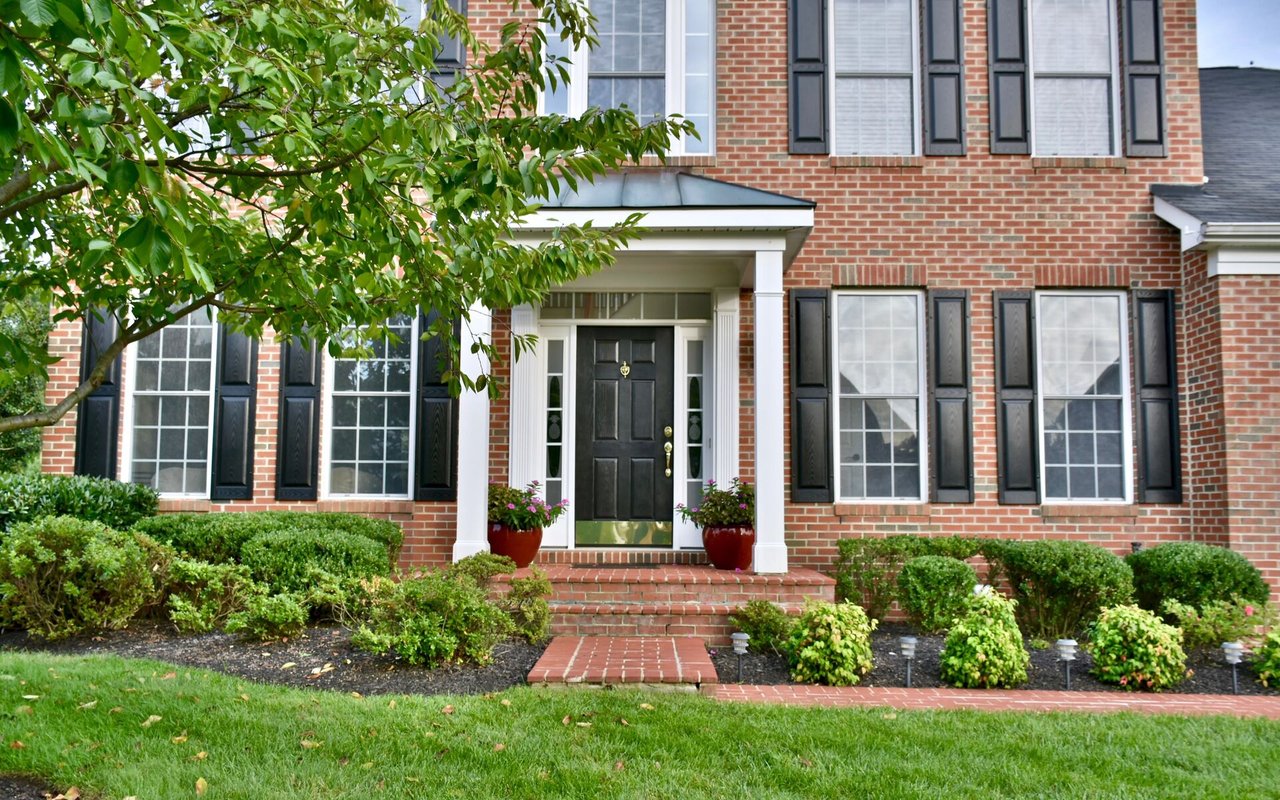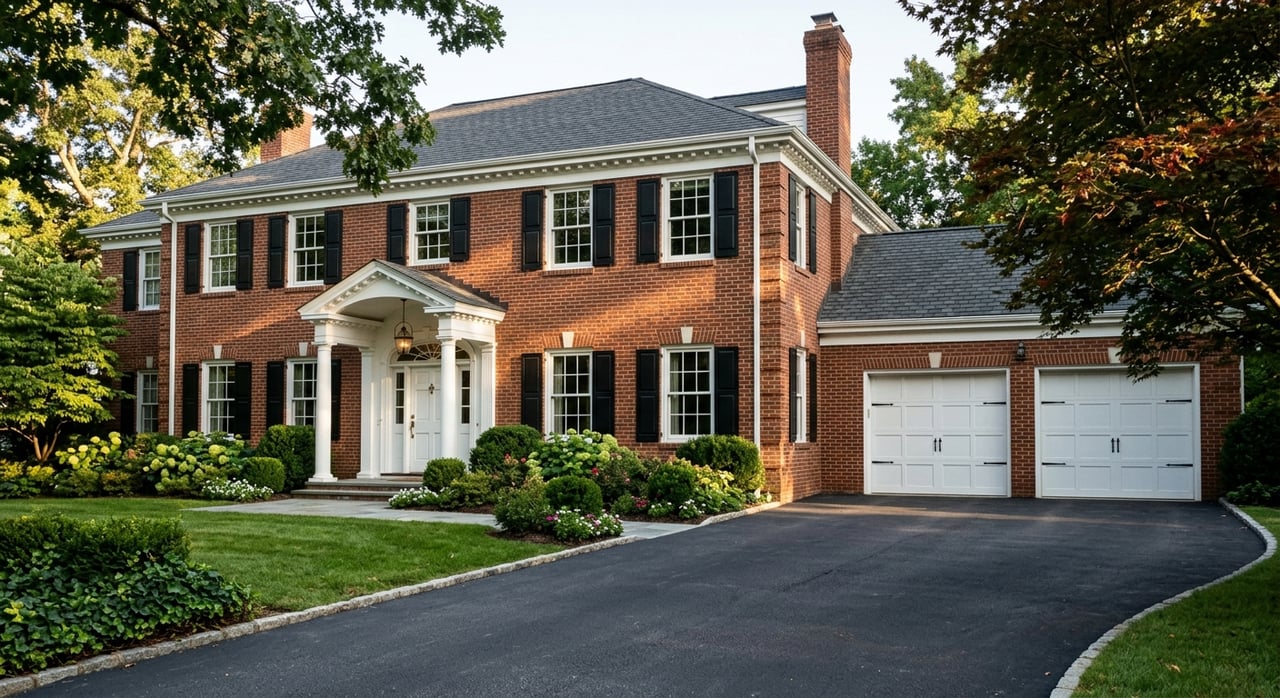
If your Waldorf townhome is starting to feel a little tight, you are not alone. Many homeowners reach a point where they want more space, a different layout, or a move that better fits their next chapter. If you are thinking about moving from a Waldorf townhome to a home in Calvert County, this guide will help you understand the numbers, timing, and key decisions so you can move with more confidence. Let’s dive in.
Why This Move-Up Matters
Moving from Waldorf to Calvert County is often about more than a change of address. For many buyers, it is a move toward a single-family home, more square footage, or a property that better supports daily life.
It is also important to look at this move as a financial step up. In Waldorf’s February 2026 market snapshot, the median sale price was $424,500. In Calvert County’s March 2026 market snapshot, the median list price was $499,000.
Because those figures come from different sources, they are best used as a general trend, not a perfect side-by-side comparison. Still, they point in the same direction: if you are moving from a Waldorf townhome to a Calvert home, you should plan for a higher purchase price and, in many cases, a higher monthly carrying cost.
What the Market Suggests
Your starting point in Waldorf is still workable for a move-up plan. Redfin reports that homes in Waldorf averaged 76 days on market in February 2026, while Charles County overall averaged 83 days on market with a median sale price of $439,990 and a 99.7% sale-to-list ratio.
On the destination side, Realtor.com reports that Calvert County had 413 homes for sale in March 2026, a 37-day median on market, a 99% sale-to-list ratio, and median sale prices up 4.51% year over year. That suggests you may be moving from a market that can take longer to sell into one where well-positioned homes may move more quickly.
For you, that means timing matters. If your current home may take a couple of months to sell, but the right Calvert home appears and moves fast, your strategy needs to be in place early.
Sell First or Buy First?
This is usually the biggest question in a move-up transaction. The right answer depends on your equity, savings, comfort with risk, and how much payment overlap you can handle.
When Selling First Makes Sense
Selling first is often the simpler path. It lets you know exactly how much equity you have available for your next purchase, and it reduces the risk of carrying two housing payments at once.
This can be especially helpful when your current home may not sell immediately. With Waldorf and Charles County market times currently longer than a quick weekend sale, listing early and giving yourself room in the timeline can create more flexibility.
When Buying First May Work
Buying first can work if you have strong equity, cash reserves, and lender approval to support the extra risk. According to Fannie Mae’s bridge or swing loan guidance, this type of financing may be acceptable if the lender documents that you can carry the new home payment, your current home payment, the bridge loan, and your other obligations.
That does not make buy-first the best choice for everyone. It simply means it may be realistic for some households with a strong financial cushion.
How Contingencies Can Protect You
If you are trying to line up one sale and one purchase, contingencies can give you important protections. The National Association of Realtors consumer guide explains that a home-sale contingency gives you time to sell your current home before closing on the next one.
A home-close contingency is slightly different. It gives you time to complete the closing on your current home before buying the next one.
These tools can reduce pressure, but they also affect how sellers view your offer. NAR notes that sellers may continue showing the property, and if a better non-contingent offer comes in, the first buyer may get a chance to respond through a kick-out structure.
A Helpful Timing Tool: Rent-Back
Sometimes the cleanest solution is to sell first and stay in your current home a little longer. NAR notes that a rent-back clause allows sellers to remain in the property after closing for a negotiated period if the buyer agrees.
That extra time can help you avoid a rushed move, especially if your Calvert purchase closes shortly after your Waldorf sale.
Using Equity Carefully
Your current home equity may be one of your biggest tools in a move-up plan. In simple terms, home equity is the value of your home minus what you still owe on your mortgage.
If you need access to funds before your sale closes, the Consumer Financial Protection Bureau explains that a HELOC allows repeated borrowing against available equity, while a home equity loan uses that equity as collateral. Both can help bridge a gap, but both also come with repayment risk if the payments stretch your budget too far.
That is why equity-based borrowing should be discussed carefully, not treated like an automatic solution. For many move-up buyers, the safer plan is still to understand expected net proceeds first and build the next purchase around realistic numbers.
Compare County Costs Before You Move
Price is only part of affordability. Taxes and settlement costs can also change when you move from Charles County to Calvert County.
According to Charles County’s FY2026 tax information, the real property tax rate is $1.141 for county government plus $0.064 for fire and rescue per $100 of assessed value. Charles County also lists a 3.03% income tax rate and a recordation tax of $7 per $500 of value.
According to the same type of county tax information for Calvert County, the real property tax rate is $0.967 per $100, the local income tax rate is 3.20%, and the recordation tax is $5 per $500. Calvert also notes that special taxing areas can affect the final bill.
Quick Cost Comparison
| Cost Type | Charles County | Calvert County |
|---|---|---|
| Real property tax | $1.141 county + $0.064 fire/rescue per $100 | $0.967 per $100 |
| Local income tax | 3.03% | 3.20% |
| Recordation tax | $7 per $500 | $5 per $500 |
The takeaway is simple: do not assume one county will automatically be cheaper in every way. You should review the full monthly payment, expected taxes, and settlement costs before you decide what price range feels comfortable.
Do Not Miss Maryland Tax Relief
If the Calvert home will be your principal residence, tax relief programs may matter. The Maryland Homestead Property Tax Credit limits assessment increases on a principal residence, but it requires a one-time application.
Maryland also says qualified home purchasers should apply for the Homeowners’ Tax Credit before taking title, and at least 30 days before settlement if they want any credit due at settlement. That is an easy detail to miss if you wait until the last minute.
This is one reason planning early matters. Small steps before closing can make a meaningful difference in your first-year housing costs.
Cross-County Closing Details Matter
A Waldorf-to-Calvert move involves more than packing boxes. Your transaction may also involve county-specific recording steps, lender requirements, title coordination, and timing between two settlements.
Charles County’s Treasury Division says it validates deeds before recording. Calvert County says its Treasurer’s Office stamps every deed before it can be recorded at the Clerk of the Circuit Court.
That is behind-the-scenes work, but it matters. When you are trying to sell one home and buy another, paperwork and timing need to stay aligned so closing day goes as planned.
A Smart Move-Up Plan
If you are thinking about making this move, a solid plan usually includes a few key steps:
- Estimate your equity so you know how much you may have for a down payment and closing costs.
- Review realistic pricing for your Waldorf townhome based on current market conditions, not best-case guesses.
- Set a comfortable monthly payment for your next home that includes taxes and insurance.
- Choose your timing strategy by deciding whether sell-first, buy-first, or a contingency-based approach fits you best.
- Prepare for Maryland tax-credit deadlines before settlement.
- Coordinate both sides early so lending, title, and deed-recording steps do not slow you down.
The goal is not just to buy a bigger home. The goal is to move with a plan that protects your finances, your timing, and your peace of mind.
If you are considering a move from a Waldorf townhome to a Calvert home, local guidance can make the process much easier. Amber Verdadero offers neighborhood-level insight, responsive support, and clear strategy to help you price your current home, evaluate your next move, and keep both transactions on track.
FAQs
Should I sell my Waldorf townhome before buying a home in Calvert County?
- It depends on your equity, cash reserves, and comfort with carrying more than one payment. Selling first is often simpler, while buying first may work for households with strong financial flexibility.
How do home-sale contingencies help when moving from Waldorf to Calvert County?
- A home-sale or home-close contingency can give you time to sell or close on your current home before completing the next purchase, which can reduce timing pressure and financial risk.
Will moving from Charles County to Calvert County change my taxes and costs?
- It can. The counties have different property tax, income tax, and recordation tax structures, and final costs may also vary based on the home price and any special taxing areas.
Can I use home equity from my Waldorf townhome to help buy in Calvert County?
- Possibly. A HELOC or home equity loan may provide access to funds before your sale closes, but both use your home as collateral and should be reviewed carefully based on your budget.
What should I do before settlement on a Calvert County home?
- You should review Maryland tax-credit application timing, confirm lender and title deadlines, and make sure county deed-recording steps are accounted for early in the process.