Pricing your Lusby home wrong can cost you time and money. Price too high and your listing sits while buyers move on. Price too low and you risk leaving equity on the table. You want a strategy that reflects today’s market and your home’s true value. In this guide, you’ll learn how to read current Lusby trends, build a smart comp set, and set a price that attracts offers without guessing. Let’s dive in.
Quick Lusby market snapshot
Lusby home values sit around the mid to high $300,000s based on public market trackers. Recent figures show a local value index near $366,177 and a city median around $389,949, while Calvert County’s median listing price trends closer to $500,000. Countywide, the median sale price is roughly $400,000, with typical homes taking about 60 days to sell and closing near 98.4% of list price. These numbers frame the market mood and speed for sellers.
Keep two things in mind as you read the data:
- Metric definitions differ. For example, “days to pending” is not the same as “days on market.”
- Lusby is a small census-designated place, so a few unusual sales can skew medians. A local CMA rooted in nearby solds is your best guide.
Regional reports also point to more inventory and a higher share of price reductions across the D.C. metro than during the pandemic peak. That shift means a precise, evidence-based list price is more important than ever. For broader Mid-Atlantic context, review the Bright MLS market commentary summarized in this regional housing report.
What really drives price in Lusby
Location and water access
In and around Lusby, neighborhood differences matter. Areas like Drum Point and Solomons often command higher prices per square foot than the broader Lusby market, and Prince Frederick trends higher as well. Water influence is real here. Waterfront and water-access homes frequently sell for a premium. Always use recent, nearby solds to measure how much.
Condition and key updates
Buyers in today’s market still pay up for homes that feel move-in ready. Fresh paint, well-maintained systems, and updated kitchens or baths can shift your home into a stronger price band. You do not need a gut renovation to compete, but you do need to remove buyer objections.
Size, layout, lot, and parking
Above-grade square footage sets a baseline, then features like a finished basement, usable yard, garage, and quiet street position move the needle. HOA amenities and fees can also affect demand and pricing. Focus on the attributes local buyers prioritize right now.
Local demand drivers
Steady regional employers support housing demand across Southern Maryland. The Calvert Cliffs Clean Energy Center anchors part of the county’s job base. Nearby, Naval Air Station Patuxent River in St. Mary’s County draws defense and contractor professionals who look across county lines, including Lusby. Proximity to these employers and to Chesapeake Bay amenities adds to buyer interest.
A step-by-step pricing plan that works
Follow this framework to set a confident list price and avoid costly missteps.
1) Define your market area and timeline
- Start with sales from the same subdivision or within 0.5 to 1 mile.
- Use the last 3 to 6 months for the most relevant comps, then widen the window only if sample sizes are small.
- Pull sold, pending, and active listings. Expired and withdrawn listings reveal where the market rejected a price.
- For a deeper overview of how pricing decisions are made, review NAR’s consumer guide on what goes into pricing your home.
2) Build a complete comp set
- Aim for 3 to 6 recent solds that match your home’s size, bed/bath count, lot, garage, basement, and water access.
- Include 3 to 5 active or pending listings to see your live competition.
- Add relevant expireds to spot overpricing patterns.
- Document differences and needed adjustments next to each comp.
3) Make defensible adjustments
- Use local price per square foot as a baseline, then adjust for features one by one.
- Prioritize paired sales in the immediate area to quantify value for condition, finished space, lot quality, and water influence.
- Avoid one-size-fits-all dollar amounts from national charts. Your market is hyper-local.
4) Set a price band and a launch strategy
- Establish a clear range: conservative low, target, and aspirational high.
- Choose a single list price within the band, backed by your comp math and the county’s sale-to-list ratio for context.
- Plan a short initial review window of 7 to 14 days to gauge response and make quick adjustments if needed.
5) Present trade-offs plainly
- Overpricing risks longer market time, price cuts, and a stale listing.
- Underpricing can spark urgency but may reduce final net in a softer segment. Consider it only if local evidence shows tight inventory and fast, multiple-offer sales.
- Regional reporting points to rising inventory and more price reductions, so lead with data-driven pricing instead of testing the top.
6) Re-evaluate on a set cadence
- After the first 7 to 14 days, review showings, feedback, and new comps.
- If showings are strong but offers are light, check positioning against fresh nearby sales.
- If activity is slow, pivot quickly with a staged price reduction or targeted marketing. A higher share of homes needing reductions is a common theme in recent reports, so build this possibility into your plan.
Price-per-square-foot reality check
County-level data clusters around roughly $212 to $228 per square foot in recent reporting windows. Use that only as a starting point, then center your analysis on Lusby comps. As a simple math check, an 1,800-square-foot baseline at these figures suggests a range of about $381,600 to $410,400 before adjustments for condition, lot, finished basement, or water access. The right price for your home will sit within or near this band based on your feature set.
Launch strategy and a 14-day review plan
A disciplined launch helps you read the market quickly and protect your momentum.
- Before going live: finalize photography, disclosures, and pre-list improvements. Set your price band and review triggers in writing.
- Days 1 to 7: monitor showing volume, online saves, and inquiries. Compare interest to similar actives nearby.
- Days 8 to 14: if there are no offers and traffic is under local norms, confirm whether new comps or competing listings justify a reposition.
- Adjust if needed: many Calvert County sales land near 98% of list price. If you are well outside buyer expectations, a timely adjustment can save you weeks on market.
Amber’s valuation toolbox
Here is how an expert agent builds a clear, defensible price for a Lusby home.
- Bright MLS data and SmartCharts for live comps and local trendlines. Regional context is summarized in this Bright MLS market report.
- County records to verify square footage, lot size, year built, prior sales, and permits.
- AVMs and portal estimates used as cross-checks only. Automated values can miss upgrades and lot features, so your CMA should lead.
- CMA platforms like RPR or Cloud CMA to produce side-by-side sold, active, and expired comparisons with documented adjustments.
- Cost-versus-value guidance and local contractor bids to target high-ROI fixes. See the Remodeling 2025 Cost vs. Value report for which projects most often recoup well.
Submarket snapshot
The Lusby area includes several distinct submarkets. Use this quick reference to frame expectations, then verify with recent solds on your street.
| Area | Relative pricing vs. Lusby | Notes |
|---|---|---|
| Lusby (CDP) | Baseline | Small sample sizes can skew medians; rely on nearby comps. See Lusby place facts for CDP context. |
| Drum Point | Often higher | Water influence and neighborhood amenities can raise per-square-foot values. |
| Solomons | Often higher | Waterfront proximity and amenities support stronger pricing. |
| Prince Frederick | Often higher | County seat with broader retail and services; verify with current solds. |
Pre-list prep that boosts ROI
You do not need to overhaul your home to win on price. Prioritize projects that pay back at resale:
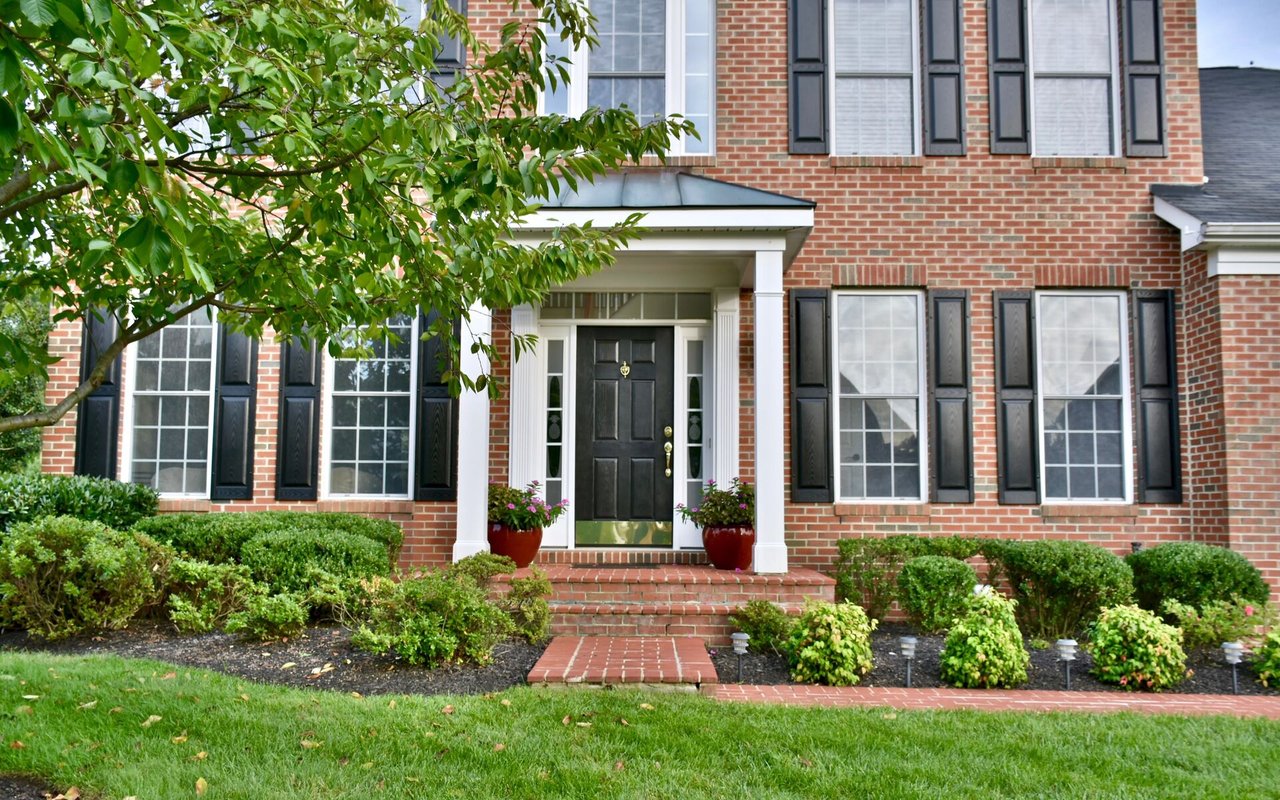
- Curb appeal refresh: power wash, mulch beds, trim landscaping, and paint the front door.
- Minor kitchen and bath updates: new hardware, lighting, and fresh caulk or grout.
- Repair the small stuff: leaky faucets, loose railings, sticky doors.
- Professional cleaning and light staging to highlight space and flow.
Remodeling’s Cost vs. Value research shows exterior and curb appeal projects, along with minor kitchen updates, often deliver the strongest recoupment. Review the latest Cost vs. Value data to prioritize.
Your next steps
A successful list price in today’s market is specific, local, and flexible. Use a tight comp set from the last 3 to 6 months, make evidence-backed adjustments, and commit to a 14-day review plan. Pair that with affordable pre-list updates and professional marketing, and you will attract serious buyers without overreaching.
If you want a clear, data-backed number for your Lusby home, request a local CMA and launch plan from Amber Verdadero. Get your instant home valuation or schedule a free consultation.
FAQs
How should a Lusby seller set list price today?
- Build a CMA with 3 to 6 nearby solds from the last 3 to 6 months, add 3 to 5 active or pending comps, adjust for features, then choose a target within a documented price band.
What do county stats mean for my Lusby home?
- County medians and sale-to-list ratios offer context, but your price should be set by Lusby and subdivision-level solds adjusted for your home’s features.
How long will my Lusby home take to sell?
- County-level norms are near 60 days on market, but timing depends on your price band, condition, and competition; set a 7 to 14-day review to adjust early if needed.
Should I underprice to spark a bidding war?
- Consider it only if local comps and recent sales show tight inventory and fast, multiple-offer activity; regional reports show more price reductions, so lead with data not hope.
Which pre-list projects add the most value?
- Focus on curb appeal, small repairs, and minor kitchen or bath updates, which the Cost vs. Value research often shows as strong recoupers at resale.
What tools does an expert use to price my home?
- Bright MLS comps and market charts, county records, careful CMA adjustments, and Cost vs. Value guidance, with AVMs used only as a cross-check.