If you want to sell your Waldorf home quickly, you do not need to overhaul the whole property. In today’s market, buyers still pay close to asking when a home is priced well and shows well, but they also have more options than they did a year ago. That means your first impression matters more than ever. The good news is that a smart, focused prep plan can help you attract stronger interest without wasting time or money. Let’s dive in.
Why prep matters in Waldorf
Waldorf sellers are working in a market that rewards presentation and pricing. In April 2026, Waldorf had a median listing price of $445,000, 554 homes for sale, and a median 35 days on market. In Charles County, the median sale price was $458,719, median days on market were 54, and homes sold at a 99.7% sale-to-list ratio.
That tells you something important. Buyers are still making solid offers, but with inventory up 15.32% year over year, your home has to stand out. A clean, well-prepared home can help you compete more effectively from the moment your listing goes live.
It is also important to remember that Waldorf pricing varies by micro-market. Reported median listing prices range from about $385,000 in 20602 to over $527,000 in 20603, with much higher figures in some smaller areas. That is why your prep and pricing strategy should be based on your immediate area, not just a citywide average.
Focus on what buyers notice first
If your goal is a faster sale, the highest-return work is usually simple. The strongest recommendations from the 2025 staging survey were decluttering, cleaning the entire home, and improving curb appeal. Those steps consistently matter because they shape both online photos and in-person showings.
The same survey found that 29% of agents said staging increased the dollar value offered by 1% to 10%. It also found that 49% said staging reduced time on market. For buyers’ agents, listing photos mattered most, followed by physical staging, videos, and virtual tours.
That means your prep should support two things at once: how your home looks in photos and how it feels when buyers walk in. You do not need a full renovation to make that happen. In most cases, clean, open, bright, and well-maintained beats expensive and unfinished.
Start with decluttering and cleaning
Before you think about updates, start by removing distractions. Excess furniture, crowded shelves, family photos, and overstuffed closets can make rooms feel smaller and harder for buyers to picture clearly. Your goal is to make each space feel open, simple, and easy to understand.
Deep cleaning is just as important. Pay special attention to floors, kitchen surfaces, bathrooms, windows, and high-touch areas. Even a great home can lose momentum if buyers notice dust, odors, stained grout, or smudged glass.
If you are short on time, focus first on the spaces buyers see right away. That usually means the entry, main living area, kitchen, primary bedroom, and main bathrooms. These are the areas that often shape a buyer’s first opinion.
Prioritize the rooms that matter most
You do not need to stage every room in the house. The most important rooms to prioritize are the living room, primary bedroom, kitchen, and dining room. These are the spaces buyers most often care about, and they are the most commonly staged rooms.
A lighter staging plan can still be very effective. The reported median cost was $1,500 for professional staging and $500 when the listing agent handled staging. That supports a practical approach where you put your budget into the spaces that drive the strongest emotional response.
For example, you might:
- remove bulky or extra furniture from the living room
- simplify countertops and add clear workspace in the kitchen
- use neutral bedding and reduce visual clutter in the primary bedroom
- create a clean, simple dining setup that shows the room’s purpose
The goal is not to make your home look fancy. The goal is to make it look spacious, cared for, and easy to move into.
Improve curb appeal before photos
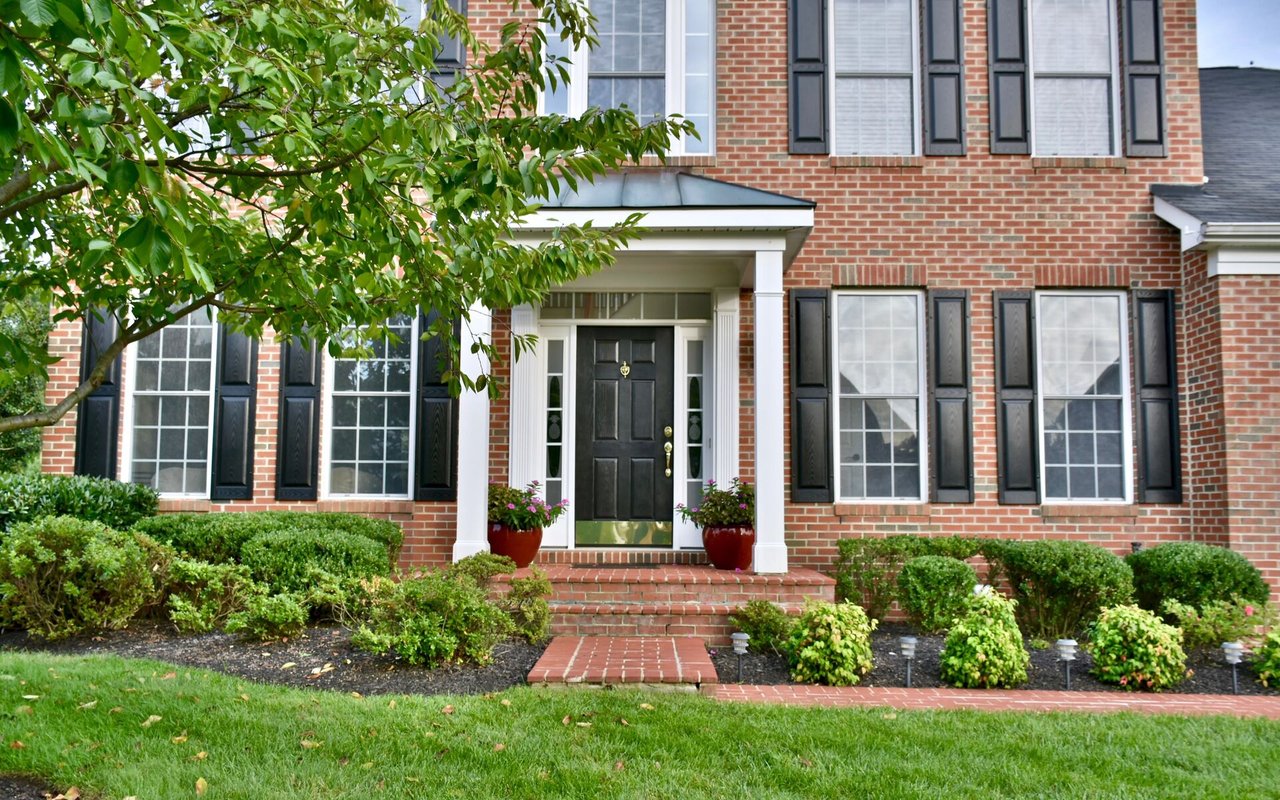
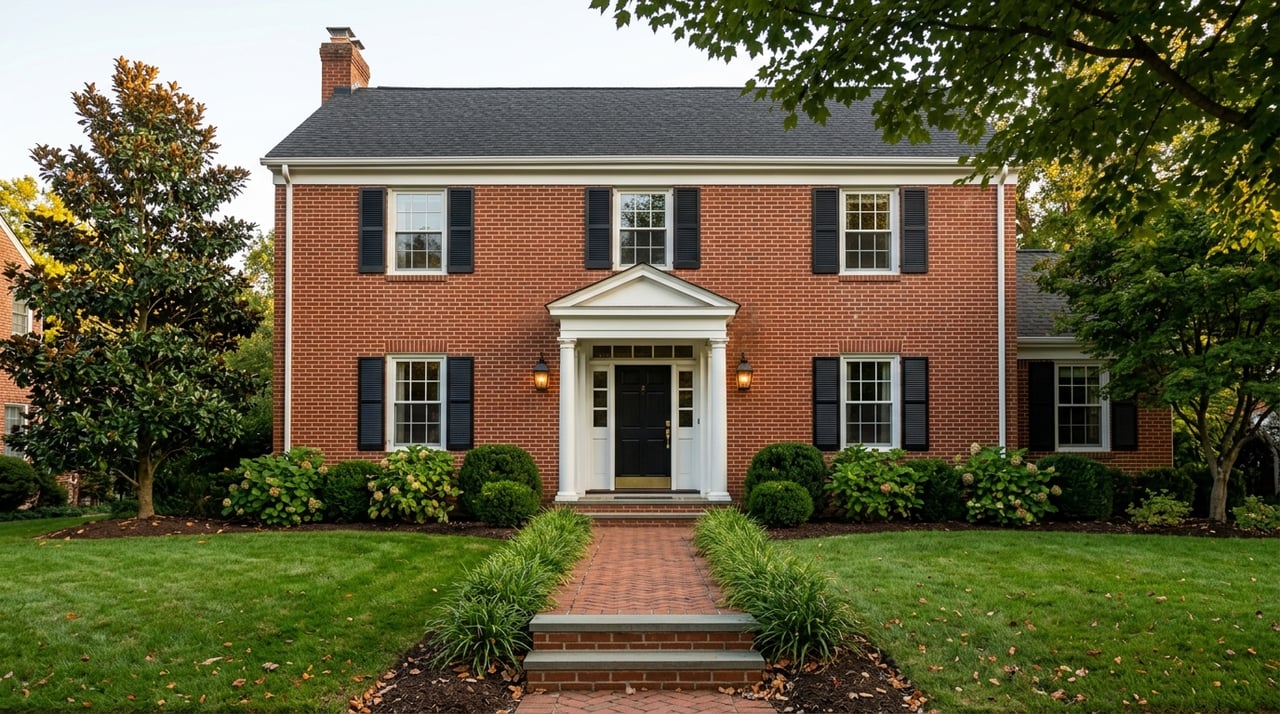
Your exterior sets the tone before buyers ever step inside. In a market with more active listings, a weak first photo can cause buyers to scroll past your home. A tidy, photo-ready exterior helps your listing compete from the start.
Focus on the basics that make the biggest visual difference. Clear the porch and walkway, sweep surfaces, freshen the front door area, and clean up the yard. Make sure the first few steps to the home feel welcoming and consistent with the condition inside.
Small fixes can go a long way here. Straighten house numbers, replace burned-out bulbs, and remove anything that makes the front of the home feel neglected. These details may seem minor, but together they shape buyer confidence.
Fix the cosmetic issues buyers remember
Buyers often notice small problems more than sellers expect. Chipped paint, loose hardware, wobbly fixtures, dirty grout, and missing light bulbs can create the impression that larger maintenance issues may be hiding elsewhere. That is why quick repairs usually offer better value than ignoring them.
Walk through your home like a buyer would. Open doors, turn on lights, check faucets, and look at walls and trim in daylight. If something feels loose, worn, or unfinished, add it to your pre-listing punch list.
This does not mean you need to start major remodeling. In fact, for a quick sale, the stronger strategy is usually to fix visible problems first and avoid expensive projects that may not return their full cost.
Be careful with older-home repairs
If your home was built before 1978, pause before starting work that disturbs painted surfaces. Federal lead rules apply to most housing built before 1978, and paid contractors doing that type of work must follow lead-safe requirements. The practical takeaway is simple: do not jump into scraping, sanding, or other disruptive prep work without checking what is required first.
Sellers of most pre-1978 homes must also disclose known lead-based paint information before contract signing and give buyers a 10-day opportunity for a lead inspection or risk assessment. If your home falls into that category, it helps to gather any records early so you are not scrambling later.
Gather Maryland disclosures early
A quick sale is not only about appearance. It is also about avoiding preventable delays once a buyer is interested. In Maryland, the standardized Residential Property Disclosure/Disclaimer Statement is required in applicable residential transactions.
If you choose the disclaimer route, the state form makes clear that you are selling as-is. Even then, known latent defects still must be disclosed. That is why it is wise to review your home’s condition before listing and organize information in advance.
The Maryland form asks sellers to review issues that can slow a sale if left unclear. These include:
- foundation concerns
- basement moisture
- roof leaks
- exterior drainage issues
- wood-destroying insects
- hazardous materials
- carbon monoxide alarms
- permit history for improvements
- flood-zone status
- HOA restrictions
You do not need to panic if one of these items applies to your home. You do need to be prepared with accurate information and records wherever possible.
Check safety items before showings
Before your home hits the market, test your smoke alarms and carbon monoxide alarms. Maryland law requires these alarms in specified locations, so this is a smart step before photos, showings, and inspections. Replace expired units and make sure everything is working as expected.
This is one of those simple tasks that is easy to overlook. It can also become an unnecessary issue later if you do not handle it upfront. A few minutes now can save you time during the transaction.
Use a simple pre-listing checklist
If you want to keep your prep focused, use a checklist built around what matters most in Waldorf’s current market. With more homes for sale, buyers are comparing condition, presentation, and price side by side.
Here is a practical starting point:
- declutter the entry, living room, kitchen, and primary bedroom
- remove personal items and excess furniture
- deep-clean floors, bathrooms, kitchen surfaces, and windows
- replace burned-out bulbs and make rooms feel bright
- fix chipped paint, loose hardware, and wobbly fixtures
- tidy the porch, front door, walkway, and front yard
- test smoke alarms and carbon monoxide alarms
- gather records for repairs, permits, and known property issues
- review any pre-1978 lead-related requirements before disruptive work
A clear plan helps you avoid doing too much in the wrong places. It also helps you spend your time where buyers are most likely to notice.
Price and prep should work together
Even the best-prepared home still needs the right pricing strategy. In Waldorf, home values can vary widely by ZIP code and neighborhood, so citywide averages only tell part of the story. The most effective approach is to match your prep level, competition, and pricing to your specific micro-market.
That is where local guidance matters. When you understand how nearby homes are positioned and what buyers are seeing in your area, it becomes much easier to decide which improvements are worth making before you list.
If you are thinking about selling in Waldorf, a focused prep plan can help you move faster and with less stress. For practical guidance on pricing, presentation, and the steps that matter most before you list, connect with Amber Verdadero.
FAQs
What should I do first to prepare my Waldorf home for sale?
- Start with decluttering, deep cleaning, and curb appeal. These are the most widely recommended steps and usually offer the biggest impact for the least cost.
Do I need to renovate my Waldorf home before listing it?
- Usually, no. For a quick sale, cleaning, decluttering, fixing visible cosmetic issues, and staging key rooms are generally more important than taking on a full renovation.
Which rooms matter most when staging a Waldorf home?
- Focus on the living room, primary bedroom, kitchen, and dining room. These are the rooms buyers tend to care about most and the ones most often prioritized for staging.
How important is curb appeal when selling a home in Waldorf?
- It is very important, especially because buyers often see your exterior first in listing photos. A tidy front entry, walkway, and yard can help your home make a stronger first impression.
What Maryland disclosure items should Waldorf sellers review before listing?
- Sellers should gather information on items commonly covered in the Maryland disclosure form, including roof leaks, basement moisture, foundation concerns, drainage, insect issues, hazardous materials, permit history, flood-zone status, HOA restrictions, and alarm systems.
What should Waldorf sellers know about lead-based paint rules?
- If your home was built before 1978, you may need to disclose known lead-based paint information before contract signing, and buyers must be given a 10-day opportunity for a lead inspection or risk assessment. Paid repair work that disturbs painted surfaces should also follow lead-safe requirements.